
Understanding the New Cholesterol Guidelines: Why Early Prevention Matters
If you or someone you know has high cholesterol, this is very important. The American College of Cardiology and the American Heart Association recently updated their guidance on cholesterol and cardiovascular risk, and the shift is significant. These new recommendations focus on earlier and more precise prevention, with the goal of identifying risk before disease develops.
Atherosclerotic cardiovascular disease, or ASCVD, remains the leading cause of death in the United States and globally. What is often overlooked is that an estimated 80 to 90 percent of cardiovascular risk is at least partly driven by modifiable factors. In this post, we will break down what is changing in the guidelines and what it means for your long-term health.
What Is ASCVD and Why Does Prevention Matter?
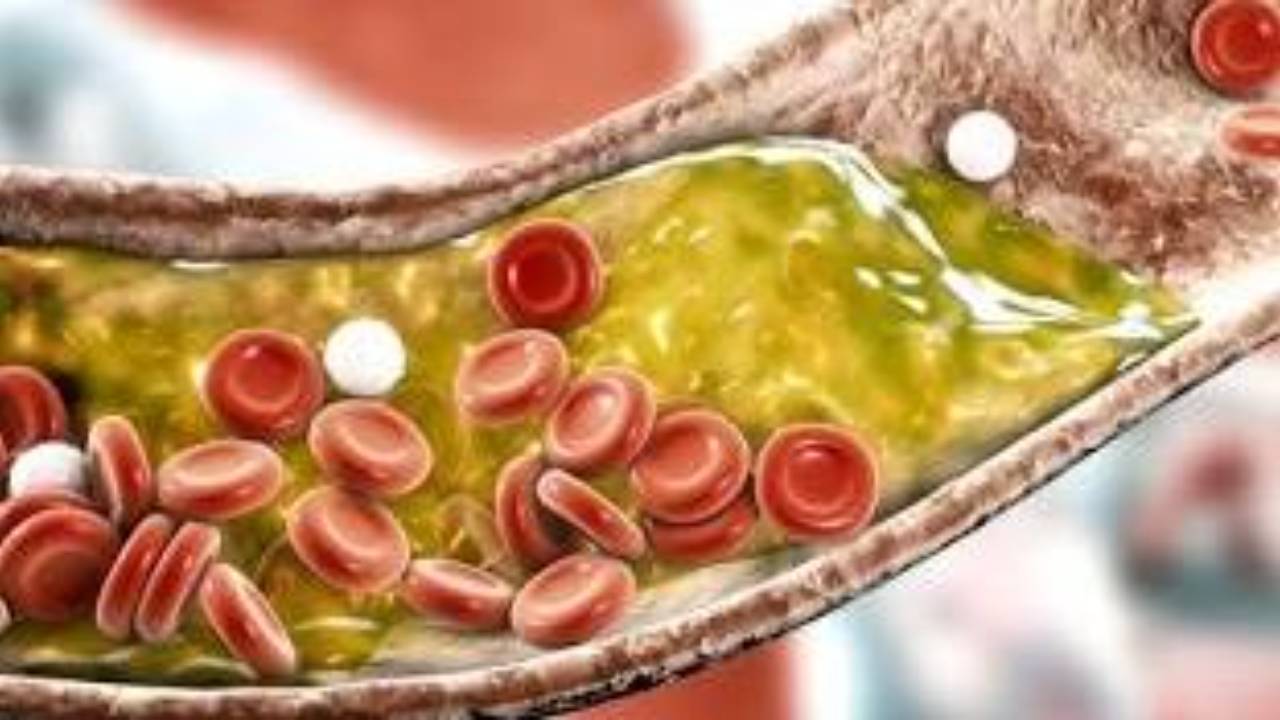
Atherosclerotic cardiovascular disease refers to conditions caused by plaque buildup in the arteries, including heart attack, stroke, and peripheral artery disease. This process develops over time, often silently and very early in life, before symptoms ever appear. That is why prevention is so important. The updated guidelines emphasize that cardiovascular disease is not something that suddenly happens later in life, but rather a process that begins much earlier. By identifying risk factors sooner and taking action earlier, we have a meaningful opportunity to reduce long-term disease burden.
One of the most important takeaways is that the majority of cardiovascular risk is modifiable. Lifestyle factors such as nutrition, physical activity, sleep, and stress all play a role, along with clinical markers like cholesterol levels and blood pressure. The shift in these guidelines reflects a growing recognition that prevention needs to start earlier, be more individualized and be emphasized.
What's Changed in the New Guidelines?
The updated ACC and AHA guidance reflects a move toward more comprehensive and proactive risk assessment. Rather than relying solely on a standard lipid panel, clinicians are encouraged to look at a broader picture of cardiovascular risk.
One important addition is the use of Apolipoprotein B, or ApoB, which provides a more precise measure of the number of atherogenic particles in the blood. This can help better define risk, especially in those whose traditional lipid panel may appear normal.
Another key recommendation is a one-time measurement of Lipoprotein(a), or Lp(a). This marker is genetically determined and can significantly impact cardiovascular risk. Because it is stable over time, it typically only needs to be measured once, making it a valuable tool for long-term risk assessment.
The guidelines also emphasize earlier screening in certain populations. Children with a family history of familial hypercholesterolemia should be screened early, recognizing that genetic risk can begin influencing cardiovascular health at a young age.
In addition, LDL cholesterol targets are becoming more aggressive. For most adults, an LDL level below 100 milligrams per deciliter is recommended. For individuals at higher risk, the target drops to below 70, and for those at very high risk, the goal is below 55. These lower targets reflect strong evidence that reducing LDL cholesterol reduces the risk of cardiovascular events.
Overall, the shift is clear. Risk is being assessed earlier, more precisely, and with a stronger emphasis on prevention before disease develops.
What This Means for You
These updates reinforce an important message. Effective prevention requires a proactive approach. Instead of waiting for cholesterol levels to become elevated or for symptoms to appear, the goal is to identify risk early and intervene sooner.
This does not mean that everyone needs extensive testing, but it does mean having informed conversations with your healthcare provider about your individual risk. Understanding the value of markers like ApoB and Lp(a), along with your personal and family history, can help guide more personalized decisions.
It also highlights the importance of lifestyle as a foundation of cardiovascular health. While medications play a critical role for many individuals, lifestyle factors remain central to reducing risk and improving long-term outcomes.
Looking Ahead: Lifestyle is Foundational
While these updated guidelines provide a more precise framework for assessing risk, they also reinforce something we have known for a long time. Lifestyle is foundational. Nutrition, movement, sleep, and stress management all play a critical role in reducing chronic disease risk including ASCVD.
The bottom line is that cardiovascular prevention is evolving. With earlier screening, more precise risk assessment, and more aggressive LDL targets, we now have better tools than ever to reduce risk before disease develops. If you or someone you know has high cholesterol, this is an important opportunity to take a more proactive approach to long-term health.
In Part II, I will break down the lifestyle interventions that actually move the needle when it comes to cardiovascular health, and how to apply them in a realistic, sustainable way.
View this post on Instagram
External Resource
You can review the full ACC/AHA guideline update here:
2026 Dyslipidemia Guidelines
Disclaimer: The information provided in this article is intended for educational and informational purposes only and does not constitute medical or nutritional advice. Kelly Turner, PA-C and Dion Turner, RD are health professionals sharing evidence-based lifestyle medicine information, however, this content is not a substitute for individualized medical care. Always consult with your healthcare provider before making changes to your diet, exercise routine, medications, or health regimen. Verified Wellness is not responsible for any actions taken based on the information contained in this post. Photo credit from the Journal of the American College of Cardiology (JACC).
